|
|
|
|
|
|
|
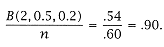
and write performance is lowered by 8%, since: |
|
|
|
|
|
|
|
|
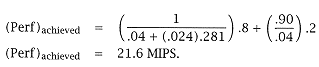
The effect on total performance can now be determined by combining the results from (a) of this study with study 6.1: |
|
|
|
|
|
|
|
|
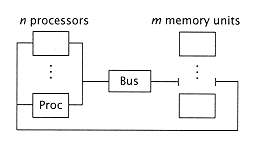
Multiple processors, or a single processor with multiple independent request sources, may encounter contention on a shared memory bus. (See Figure 6.29.) |
|
|
|
|
|
|
|
|
Whether we need to analyze the bus as a source of contention depends on its offered bandwidth (or offered occupancy) relative to memory. As contention (and queues) develop at the ''bottleneck" in the system, we treat the most limiting resource as causing contention as other parts of the system are simply delay centers. So buses must be analyzed for contention when they are more restrictive (have less available bandwidth) than memory. |
|
|
|
|
|
|
|
|
Buses usually have no buffering (queues), and access delays cause immediate system slowdown. The analysis of the effects of bus congestion depends on the access circumstances. |
|
|
|
|
|
|
|
|
Generally there are two types of access patterns: |
|
|
|
|
|
|
|
|
1. Requests without immediate resubmissions. The denied request returns with the same arrival distribution as the original request. Once a request is denied, "something else" happens to delay the resubmission of the request. |
|
|
|
|
|
|
|
|
2. Requests are immediately resubmitted. This is a more typical case, when multiple independent processors access a common bus. A denied request "sits on" the bus. It is immediately resubmitted. The processor is idled until the request is honored and serviced. |
|
|
|
|
|